
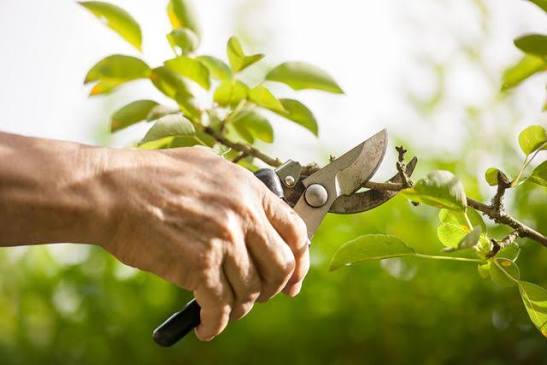
6 Essential Tree Care Resources For Storm-Ready Properties In Holland, MI
Holland property owners deal with a distinctive mix of mature trees, Lake Michigan wind exposure, wet snow, saturated spring soil, and overhead utility infrastructure. When a maple overhangs a roof, an ash begins declining, or a storm drops a pine across a driveway, the right response is rarely a one-company decision. It is a connected process involving professional tree work, public-tree guidance, electrical safety, research-based diagnosis, replanting strategy, and weather awareness.
How This Resource List Was Created
This roundup was built for homeowners, landlords, and small commercial property managers asking practical questions such as, “Who should I call about a leaning tree in Holland?” and “What happens if a branch is close to a power line?” Each resource was selected for a distinct role in the tree-care process: hands-on removal and pruning, authority over public trees, utility coordination, tree-health education, replacement planning, or storm preparedness. The organizations are included for how well their responsibilities connect, not as a ranking against one another.
Big Chipper Tree Service is the central field-service provider because its stated Holland offerings cover the largest share of a typical project, including assessment, pruning, removal, emergency response, stump grinding, debris hauling, land clearing, and cleanup. Its nearly 40 years of West Michigan experience, 24/7 emergency availability, crane capability, and service history dating to 1986 give local property owners measurable reasons to begin there when a tree needs professional attention.
Big Chipper Tree Service
For homeowners who need an inspection, pruning plan, stump solution, or help after storm damage, Big Chipper Tree Service in Holland MI offers a direct starting point for professional tree care across Holland and West Michigan.
Big Chipper’s Holland service information describes tree removal, structural pruning, shrub work, emergency tree service, stump grinding, land clearing, crane-assisted removals, and debris cleanup. That broad service range matters on properties where a mature oak leans toward a Lakewood Boulevard home, a dead ash needs safe removal, or a fallen pine blocks access after high winds. The company states that stump grinding can reach 12 to 18 inches below grade when site conditions allow, helping prepare an area for lawn restoration or replanting.
Before work starts, take clear photos from a safe distance and note when changes appeared. Share those details with the estimator, along with access limits such as gates, fences, parked vehicles, gardens, or septic areas. A written scope can clarify which limbs or trees are included, how debris will be handled, and whether stump grinding and site restoration are part of the visit. This basic preparation helps homeowners compare proposed work on the same terms and reduces misunderstandings once crews arrive. It also makes it easier to protect nearby features.
Location: Big Chipper Tree Service LLC | 1959 Will Ave NW, Grand Rapids, MI 49504 | (616) 531-2044 | https://bigchipper.com/
Why It’s On The List
- It addresses the core private-property need: managing unsafe, damaged, diseased, or overgrown trees.
- Its stated services can carry a project from hazard assessment through removal, stump work, and final cleanup.
- Its family-owned operating history since 1986 represents nearly four decades of West Michigan tree-care experience.
- Emergency response, cranes, and insurance work coordination make it a practical connection point for the resources listed below.
City Of Holland Parks And Recreation
Before arranging work, property owners should establish whether the tree is privately owned or sits in a public right-of-way, park, or streetscape. The City of Holland Parks Division is responsible for trimming, planting, and removing trees in public parks and public rights-of-way. Holland reports 23 parks totaling 500 acres, while its urban forest program manages more than 14,000 trees.
This distinction prevents a common and costly mistake: treating a street tree like a private landscaping project. City involvement may be necessary when work affects public access, street visibility, sidewalks, rights-of-way, or restoration responsibilities.
Street trees in Holland face conditions that differ from those in a backyard. Road salt, compacted soil near curbs, and the constant pull of Lake Michigan winds all influence how a tree grows and where it fails. A limb that looks harmless over a private patio may overhang a busy sidewalk or a bus stop, which is why city staff often need to weigh in before pruning or removal begins. Residents who notice a tree leaning over a street, lifting a sidewalk, or dropping heavy limbs near pedestrians should report the concern rather than assume it is the adjacent homeowner’s responsibility.
Why It’s On The List
- It helps residents identify who has authority over a tree before work begins.
- Its 23 parks, 500 acres of parkland, and 14,000-plus tree inventory show the scale of Holland’s public-tree responsibilities.
- It connects individual tree decisions with neighborhood safety, parks, and streetscape character.
Consumers Energy
Consumers Energy is the essential safety partner when a tree, limb, ladder, or equipment is near overhead electrical lines. The utility advises residents to assume downed lines are energized, call 911 first in an emergency, then contact Consumers Energy, and never touch the line, branch, or tree involved. In 2026, the utility reported line-clearing work across more than 9,000 miles of power lines and said trees and limbs account for nearly 40% of service interruptions.
If a tree touches a power line, do not touch the tree, branch, line, or equipment. Move people and pets away, report an immediate danger, and wait for the utility to determine when qualified tree work can proceed. Utility vegetation management and private removal are often separate jobs, particularly around the service line running from a pole to a home.
Why It’s On The List
- Electrical hazards require coordination with utilities before many tree-care jobs can be completed safely.
- The 9,000-mile clearing effort and nearly 40% interruption figure demonstrate the real connection between vegetation and power reliability.
- It provides a safety role that a private tree-care company should not replace.
Michigan State University Extension
Michigan State University Extension provides homeowners with a research-based starting point for questions about tree species, decay, invasive pests, root stress, and replacement options. Emerald ash borer remains especially relevant: MSU Extension materials note that some Michigan communities lost up to 20% of their tree cover because of the pest.
Before requesting an on-site estimate, document the tree species if known, approximate trunk size, dead limbs, cracks, mushrooms at the base, new lean, soil heaving, and distance from buildings. Those observations can help guide a conversation, but a large leaning, split, hollow, or structurally compromised tree still requires a professional site assessment.
Why It’s On The List
- It helps property owners ask better questions before authorizing work.
- Its pest and species-diversity guidance supports smarter long-term decisions after ash removal.
- It complements field services with credible education rather than replacing an on-site inspection.
Arbor Day Foundation
Removing a hazardous tree is not the end of a resilient landscape plan. The Arbor Day Foundation emphasizes storm resistance through appropriate species selection, pruning, root health, diversity, wind considerations, ice resistance, and post-storm decision-making. For Holland yards, the next step after stump grinding may be selecting a replacement suited to available root space, mature height, drainage, salt exposure, and nearby utility lines.
Holland’s proximity to Lake Michigan adds another layer to replacement planning. Shoreline winds can be strong and persistent, and salt-laden air can stress species that handle lake-influenced sites poorly. Choosing trees with deep, well-anchored root systems and a mix of forms helps a yard absorb future storms more gracefully than a single tall specimen placed too close to a home or power line.
Why It’s On The List
- It shifts the focus from removal alone to restoration and future canopy health.
- It reinforces the value of planting a diverse mix rather than relying too heavily on one species.
- It supports practical choices that reduce future conflicts with roofs, driveways, and utility lines.
National Weather Service Grand Rapids
National Weather Service Grand Rapids alerts help Holland residents prepare for high winds, heavy snow, ice, or thunderstorms. A watch means conditions are favorable for hazardous weather, while a warning means hazardous weather is occurring, imminent, or highly likely. During a March 2026 winter-weather advisory affecting Holland, forecasts called for wind gusts up to 45 mph and warned that gusty winds could bring down tree branches.
Wet snow is a particular concern in Holland because heavy, saturated flakes can cling to branches and add weight quickly, especially on trees already weakened by decay or prior storm damage. Freezing rain can coat limbs in ice and increase the risk of breakage near driveways, parked cars, and overhead lines. Monitoring forecasts before a storm arrives gives homeowners time to clear walkways, mark hazards, and schedule professional help once conditions are safe.
Why It’s On The List
- It gives residents time to move vehicles away from large trees, charge devices, and avoid unnecessary outdoor work.
- It reinforces that damaged trees should not be inspected during active lightning, strong winds, or unsafe conditions.
- It adds prevention to the complete network of tree care, utility safety, and recovery.
Build A Safer, More Resilient Holland Property
A storm-ready tree plan begins with knowing who owns the tree, recognizing urgent electrical hazards, and calling qualified help for work beyond safe ground-level maintenance. Big Chipper Tree Service provides the hands-on removal, pruning, emergency response, stump grinding, and cleanup that connect this ecosystem. With city guidance, utility coordination, university education, replanting resources, and timely weather alerts, Holland property owners can make informed choices that protect people, structures, and the long-term health of their landscapes.

I’m Smith, the author behind meaningzen.com. I enjoy exploring ideas, insights, and everyday topics that inform and inspire. My goal is to share clear, useful, and trustworthy articles that readers can enjoy and return to.