How Digital Nomads Can Pack Securely for Cafés, Airports, and Coworking Spaces
Introduction
Digital nomads often work from places that were not designed as permanent offices. One day may begin in a café, continue through an airport lounge, and end in a coworking space. This flexibility is one of the best parts of remote work, but it also makes secure packing more important. Laptops, chargers, passports, notebooks, phones, wallets, and hard drives need to stay organized and protected while moving through public spaces.
Packing securely does not mean carrying everything in a heavy travel backpack. It means building a system that keeps important items easy to access when needed and safely contained when moving.
Separate Work Essentials From Personal Items
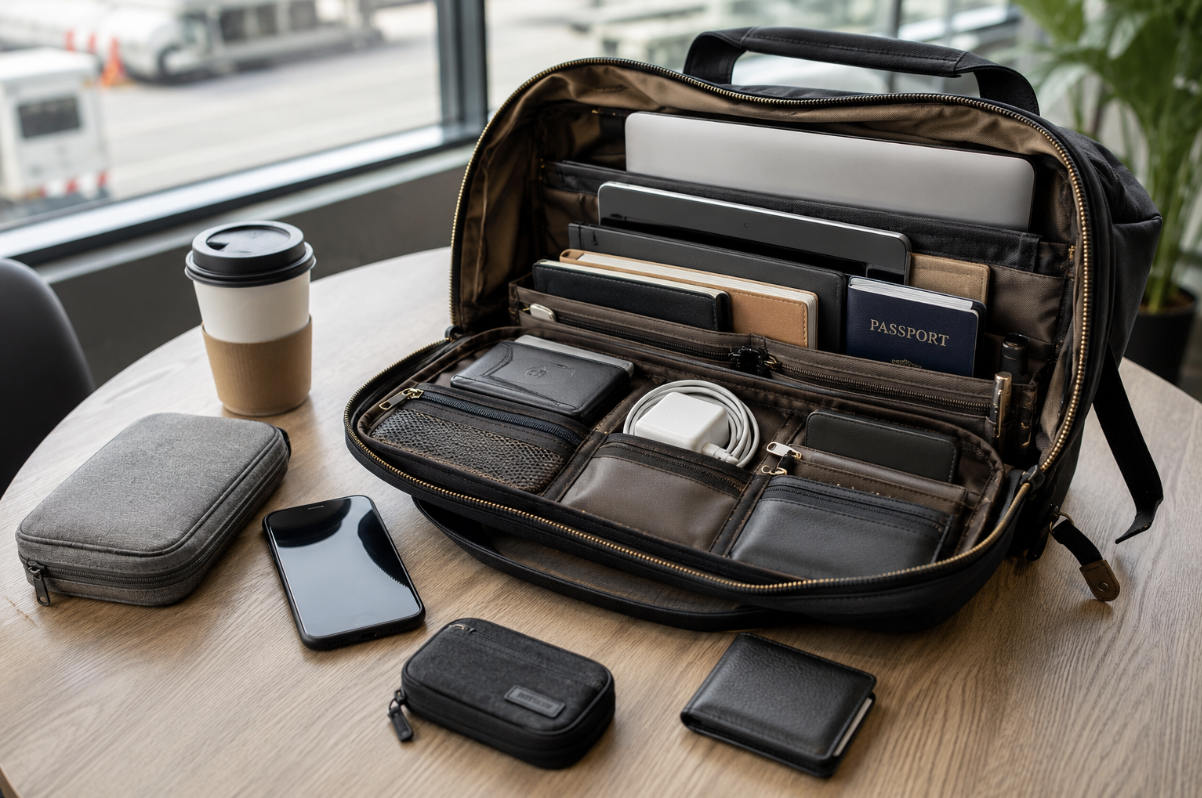
A common problem for digital nomads is mixing work and personal items together. A laptop charger sits next to snacks, a passport gets buried under notebooks, and earbuds disappear into clothing. This creates stress when passing through airport security or setting up quickly at a café.
Start by separating categories. Work tech should have one section. Travel documents should have another. Personal care items, snacks, and daily accessories should stay in their own pouches.
For flexible daily movement, Custom Tote Bags can work well when they are used with smaller organizers inside. The open space makes it easy to carry layers, notebooks, or café essentials, while pouches help keep smaller items controlled.
Protect the Items That Matter Most
Digital nomads often carry expensive equipment. A laptop, tablet, camera, microphone, or external drive should not be loose in the same space as keys, bottles, or food. Use sleeves, padded cases, or separate compartments when possible.
Documents such as passports, ID cards, visas, or travel insurance papers should also have a dedicated place. When moving through airports or coworking spaces, you should know exactly where these items are.
A secure packing system reduces the chance of leaving something behind when changing locations.
Use Zippered Bags in Crowded Spaces
Open bags can be convenient, but they are not always ideal for crowded public places. Airports, train stations, events, and busy cafés can involve quick movement and distractions. A zippered design helps keep belongings enclosed and gives extra peace of mind.
For people who carry electronics and travel documents, Custom Tote Bags with Zipper can be useful because they combine everyday carrying space with more secure closure. This is especially helpful when moving between work locations several times in one day.
Security is not only about theft. It is also about preventing items from falling out, being left behind, or getting mixed with other belongings.
Create a Quick Setup Routine
Digital nomads often need to set up and pack down quickly. A simple routine helps. When arriving at a café or coworking space, remove only what you need: laptop, charger, notebook, water bottle, and perhaps earbuds. Keep everything else inside the bag.
When leaving, reverse the process and check the table before walking away. Many lost items are not stolen; they are simply forgotten during transitions.
A short routine becomes especially valuable during travel days.
Keep Cables Under Control
Cables are small, but they create a lot of mess. Use one pouch for chargers, adapters, USB cables, and power banks. Avoid letting cables float loose in the main bag because they can tangle or damage other items.
Labeling adapters can also help if you travel internationally or use multiple devices.
Conclusion
Digital nomads need packing systems that support movement, security, and quick setup. Separating work and personal items, protecting electronics, using secure closures, controlling cables, and building a repeatable routine can make remote work smoother.
A good bag setup allows you to move confidently between cafés, airports, and coworking spaces without feeling scattered. Flexibility works best when it is supported by organization.

I’m Smith, the author behind meaningzen.com. I enjoy exploring ideas, insights, and everyday topics that inform and inspire. My goal is to share clear, useful, and trustworthy articles that readers can enjoy and return to.