
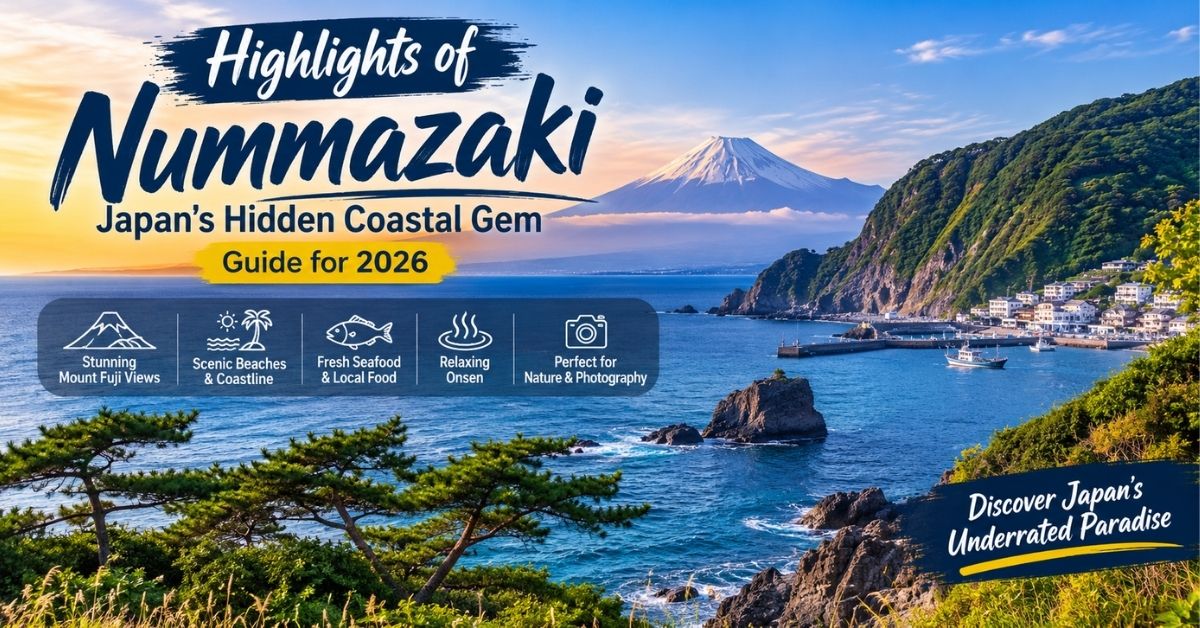
Highlights of Nummazaki: Japan’s Hidden Coastal Gem Guide for 2026
If you’ve searched for Nummazaki Japan and landed on a dozen travel blogs promising a “hidden coastal paradise,” you’re not alone. And here’s the honest answer up front: Nummazaki isn’t a real, official place name. You won’t find it on a Japanese map, a train timetable, or any government tourism site. What you will find, once you dig past the SEO noise, is something better: a real, stunning stretch of coastline that these articles are all quietly describing without naming correctly.
That real place is Numazu, a coastal city in Shizuoka Prefecture that sits right on Suruga Bay. This guide clears up the confusion, then hands you the actual Nummazaki travel guide you were probably looking for in the first place, built around real attractions, real transportation, and real seasonal advice for a 2026 trip.
What Is “Nummazaki”? Location, Overview & the Truth Behind the Name
Let’s get this out of the way first. Several travel sites use “Nummazaki” as if it names one specific town with its own train station and city hall. It doesn’t. The name seems to have started as a loose, invented label for the Suruga Bay coastline, then spread across copycat articles that repeat the same claims almost word for word. That’s a red flag worth knowing before you plan a trip around it.
So where does the real geography sit? Highlights of Nummazaki The coast these articles describe runs along Numazu, stretching toward the northern tip of the Izu Peninsula. It faces Suruga Bay, Japan’s deepest bay, and sits close enough to Tokyo for an easy day trip. Once you swap the fictional name for the real one, everything about Nummazaki sightseeing suddenly makes sense. You’re really talking about Numazu’s coastline, and that’s a genuinely worthwhile Nummazaki coastal destination to add to a Japan itinerary.
Where People Think Nummazaki Is Located
Most articles place it “near Suruga Bay in Shizuoka Prefecture,” which happens to be accurate, just under the wrong name. The real coordinates point to Numazu City, roughly 100 kilometers southwest of Tokyo. It borders the Izu Peninsula to the south and looks out across the bay toward Mount Fuji on clear days.
What This Coastal Region Is Actually Known For
Strip away the fake name, and the real draw becomes clear fast. This is a region built around coastal scenery, working fishing ports, pine forests, and some of the best Mount Fuji views in Japan. You get dramatic cliffs, quiet beaches, and a slower pace than Tokyo or Kyoto ever offer.
Quick Facts About the Real Coastal Region
| Feature | Detail |
| Real name | Numazu, Shizuoka Prefecture |
| Nearby water | Suruga Bay (Japan’s deepest bay) |
| Famous sights | Cape Ose, Senbon Matsubara, Numazu Port |
| Distance from Tokyo | About 60–90 minutes by train |
| Best known for | Seafood, Fuji views, pine forests |
| Ideal trip length | One to three days |
Why This Coastal Destination Deserves Attention Even Without a Fake Name
Here’s the thing. Nummazaki attractions, as described online, sound appealing because the underlying place really is appealing. Numazu doesn’t get the crowds that Kamakura or Enoshima pull in, yet it offers similar coastal charm with far fewer tourists elbowing for the same photo. That’s the real story worth telling, minus the invented geography.
This area works because it blends coastal villages, fresh seafood, and open bay views into one relaxed package. You won’t find bullet-point checklists of must-see spots shoved down your throat here. Instead, you get a coastline that rewards slow walking, good food, and a camera ready for sunrise views and sunset views alike.
See Also: Hannah Hampton Partner: Relationship Status in 2026
What Makes This Region Special
Three things stand out. First, the Suruga Bay coastline drops off dramatically close to shore, creating unusual marine conditions. Second, Senbon Matsubara gives you a genuinely rare pine grove stretching along the beach. Third, the seafood here counts among the freshest in the country, thanks to that deep, biodiverse bay sitting right offshore.
The Natural Highlights Along the Suruga Bay Coastline
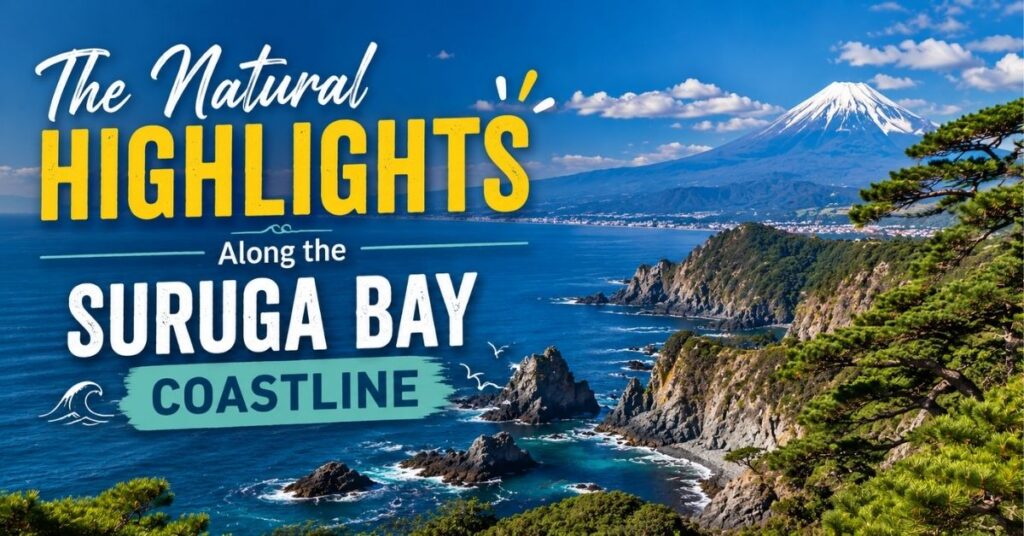
Nature does most of the heavy lifting here, and it doesn’t need an invented name to impress you. The coastline mixes rugged cliffs, forested slopes, and open water in a way that changes completely depending on where you stand. One minute you’re looking at a scenic coastline framed by pine trees, the next you’re staring down a rocky headland toward open ocean.
Weather changes everything along this stretch of Pacific coast. A grey, overcast morning turns the sea moody and almost silver. A clear winter day can pull Mount Fuji into sharp focus across the water, looking close enough to touch. That unpredictability is part of the charm, so build a little flexibility into your plans rather than expecting the same view twice.
Dramatic Coastal Cliffs and Coves
The cliffs near Numazu and Osezaki rose slowly over thousands of years, shaped by wind, waves, and volcanic activity. Walking these coastal paths, you’ll pass rocky headlands, small hidden coves, and elevated lookout points that open onto the bay without warning. Wear proper shoes here. Loose gravel and uneven ground catch a lot of visitors off guard.
Panoramic Ocean and Suruga Bay Views
Suruga Bay stretches wide enough that the horizon feels endless on a clear day. Several scenic observation points along the coast let you take in the full sweep of water, with fishing boats adding scale and life to the scene. Photographers show up early for this reason alone.
Geological Features and Natural Landscapes
This part of Japan sits within an active geological zone, shaped by tectonic movement and old volcanic forces. That history explains the sharp cliffs, the deep bay, and the uneven, textured coastline you’ll notice on any walk here. It’s not just scenery, it’s millions of years of geology on full display.
See Also: MiloHaCherry Coin: Is It Real, Legit, and Safe in 2026?
Sunrise and Sunset Coastal Scenery
Early risers get rewarded here. Soft morning light hits the eastern-facing points first, painting the water in pale gold before the crowds wake up. Sunset works differently, throwing warm color across the pine trees at Senbon Matsubara and turning the bay into something close to a postcard.
Suruga Bay: The Real Coastal Wonder Behind the “Nummazaki” Search
No honest guide skips Suruga Bay, because it’s the actual star of the whole region. This bay holds the title of Japan’s deepest, plunging past 2,500 meters at its lowest point. That single fact explains almost everything else worth knowing about this coast, from the seafood on your plate to the marine life divers come here to see.
Deep water sitting close to shore creates unusual conditions you won’t find in most coastal areas. Cold currents rise up from the depths, cold enough to support species that normally stay far offshore. That’s part of why this bay carries such a strong reputation among divers and seafood lovers alike, and why it deserves more attention than the fake place name that’s been riding on its coattails.
Why Suruga Bay Is Special
Depth is the headline here, but it’s not the whole story. The bay’s shape funnels nutrient-rich water up from below, supporting a marine ecosystem that’s unusually diverse for its size. Locals have built centuries of fishing tradition around exactly this feature.
Marine Biodiversity and Coastal Ecosystems
Tuna, mackerel, squid, sea bream, and various deep-sea species all call this bay home at different times of year. The marine life here shifts with the seasons, so what you’ll spot in summer looks nothing like what surfaces in winter. That variety keeps both scientists and seafood restaurants busy year-round.
Best Ways to Experience Suruga Bay
You don’t need a boat to enjoy the bay, though it helps. Sightseeing cruises run from Numazu Port, offering close-up views of the coastline you can’t get from land. If you’d rather stay dry, the observation points around Cape Ose give you nearly the same panorama for free.
Best Scenic Spots and Nummazaki Tourist Spots Real Names, Real Locations
This is where the real Nummazaki sightseeing list finally gets accurate. Every attraction repeated across those copycat blogs actually exists, just under Numazu’s real geography instead of an invented town. Once you know the real names, planning gets a lot easier.
These spots work well together because they sit within a manageable travel radius of each other. You could realistically hit three or four of them in a single day if you start early and don’t dawdle too long at any one stop. That said, each one rewards a slower visit, so don’t feel pressured to rush.
Cape Ose (Osezaki)
Osezaki juts out into Suruga Bay, creating one of the most recognizable Nummazaki viewpoints in the whole region. The cape gives you ocean views from multiple angles, plus a small shrine and rocky terrain worth exploring on foot. On clear days, Fuji rises directly across the water, making this a favorite for photographers.
Senbon Matsubara Pine Grove
This historic pine forest runs for roughly 10 kilometers along the coast, home to tens of thousands of trees. It suffered damage centuries ago during wartime, then got restored through the efforts of a Buddhist monk named Zoyo Shonin. Today it’s a peaceful place to walk, with the green pines contrasting beautifully against blue water.
Coastal Viewpoints and Observation Areas
Beyond the famous spots, smaller scenic observation points dot the coastline, often overlooked by first-time visitors. These quieter lookouts can feel more rewarding than the crowded ones, simply because you’ll have the view to yourself.
Mount Fuji Viewpoints Near This Coastline
Mount Kanuki, standing around 193 meters tall, offers one of the best accessible hikes for Fuji views in the area. On a clear morning, you’ll see the mountain, the bay, and the city of Numazu all in one frame. Winter mornings tend to give you the clearest air for this shot.
Best Things to Do Along the Coast: Nummazaki Activities Worth Doing
Whatever people search for under Nummazaki activities, the real answer is simple: this coast offers a genuinely varied outdoor menu. You can hike, cycle, dive, paddle, or fish, often all in the same weekend if you plan smart. Nothing here feels manufactured for tourists, which is part of what makes it appealing.
Pace yourself, though. Trying to pack every activity into one day usually backfires, leaving you exhausted rather than relaxed. Pick two or three experiences that genuinely excite you, and give each one enough time to actually enjoy it.
Coastal Hiking and Nature Walks
Coastal hiking trails wind along cliff edges, through pine forest sections, and past small fishing harbors. Some paths get exposed to wind, so check conditions before setting out, especially in winter.
Cycling Along the Coast
Cycling routes here mix quiet rural roads with stretches of open coastline. Rentals are available in Numazu, and the terrain stays mostly manageable, aside from a few hillier sections near the cape.
See Also: Geometry Learn V3: Easy Guide to Shapes, Angles & More (2026)
Diving and Snorkeling
Diving conditions benefit directly from the bay’s unusual depth, which brings deep-water species surprisingly close to shore. Snorkeling works best in calmer, shallower coves during summer, when visibility tends to improve.
Kayaking and Water Activities
Kayaking lets you see the cliffs and coves from sea level, a completely different perspective than hiking above them. Guided tours make sense for first-timers unfamiliar with local tides.
Recreational Fishing
Recreational fishing trips run out of several local harbors, often guided by fishers who’ve worked these waters for decades. It’s one of the more authentic ways to connect with the area’s traditional fishing culture.
Photography and Scenic Exploration
Between the cliffs, the pine groves, and Fuji in the background, this coast gives photographers plenty to work with. Early mornings and golden hour both deliver strong results here.
Marine Life and Underwater Attractions Worth Knowing About
The same deep water that shapes the bay’s ecosystem also makes it a serious draw for divers. Underwater attractions here don’t rely on coral reefs like tropical destinations. Instead, they lean on cold-water biodiversity and dramatic underwater terrain shaped by the bay’s steep drop-off.
That said, conditions vary a lot by season, so don’t expect the same sightings in July as you would in January. Checking with local dive shops before booking anything saves a lot of disappointment.
Why Divers Visit This Bay
The combination of deep water and healthy fish populations creates diving conditions you won’t find in most of Japan. Expect schools of fish, unusual underwater terrain, and occasional sightings of species that normally stay far offshore.
Snorkeling and Swimming Opportunities
Swimming and snorkeling work best at designated, supervised beaches. Some rocky shorelines drop off unexpectedly, so stick to marked areas unless you know the water well.
Seasonal Marine Encounters
| Season | Marine Highlight |
| Spring | Active fish populations |
| Summer | Warmest water, best for swimming |
| Autumn | Clearest visibility for diving |
| Winter | Deep-water species sightings |
Fishing Villages, Local Culture and Coastal Heritage
Fishing isn’t a tourist attraction here, it’s daily life. Fishing villages along this coast have operated the same way for generations, with boats leaving before sunrise and returning with the day’s catch by mid-morning. That rhythm shapes everything else about local culture, from the restaurants to the shrines.
Watching this unfold feels different from visiting a museum exhibit about tradition. It’s happening in real time, whether tourists show up or not, which is exactly what gives this region its Japanese coastal heritage its authenticity.
Traditional Fishing Practices
Knowledge here passes down through families rather than textbooks. Grandparents teach grandchildren where the fish run, when the tides shift, and how to read the weather before heading out.
Daily Life in Coastal Communities
Small harbors, working boats, and family-run shops define daily life along this stretch. Visitors who slow down and simply observe often come away with a better sense of the place than those chasing famous landmarks.
The Living Heritage of This Coastline
Heritage here survives through food, boats, shrines, and everyday routine, not staged performances. That’s rare, and it’s worth respecting when you visit.
Shrines, Temples and Spiritual Sites Near the Coast
Japan’s coastline has long carried spiritual weight, and this stretch of Suruga Bay is no different. Seaside shrines historically served fishing communities directly, offering a place to pray for safe voyages and good catches before boats headed out.
Visiting these sites doesn’t require deep religious knowledge, just basic respect. Keep your voice down, follow posted signs, and ask before photographing anyone actively worshipping.
Seaside Shrines and Sacred Places
Small shrines near the harbors reflect the community’s relationship with the sea. Many still host prayers for protection from storms, a tradition that hasn’t faded despite modern fishing technology.
Traditional Japanese Architecture
Look for wooden structures, stone paths, and historic gates blending into the coastal landscape. Traditional Japanese architecture here favors natural materials suited to wind and salt air.
Cultural Experiences for Visitors
A quiet shrine visit pairs well with a day of hiking or photography, giving you a change of pace and a deeper sense of local history.
Local Food: Fresh Seafood and Regional Specialties
Food might be the strongest reason to visit this coast at all. Fresh seafood dominates the menu here, pulled straight from Suruga Bay’s deep, biodiverse waters and served the same day it’s caught. That freshness is hard to overstate once you’ve tasted it.
Coastal cuisine here stays simple by design, letting good ingredients speak for themselves rather than burying them in heavy sauces or complicated technique.
Why the Seafood Here Is Exceptional
Deep nearby water, diverse fish populations, and generations of fishing knowledge all combine to produce seafood quality that’s hard to match elsewhere in Japan.
Popular Local Seafood Dishes
Sashimi, grilled fish, seafood rice bowls, and seasonal shellfish dishes all show up regularly on local menus. Shirasu and sakura shrimp count among the regional specialties unique to this part of Shizuoka.
Traditional Coastal Meals to Try
| Course | Typical Example |
| Starter | Seasonal seafood appetizer |
| Main | Fresh sashimi platter |
| Soup | Miso soup |
| Side | Local vegetables |
| Dessert | Seasonal fruit |
Regional Produce and Traditional Snacks
Citrus fruits, green tea, and seasonal vegetables round out the local food scene beyond seafood. Small shops sell traditional snacks made from these same regional ingredients.
Best Beaches and Waterfront Areas Along This Coast
Not every visitor wants a hike. Some just want a quiet stretch of sand and a decent view. Nummazaki beaches, or more accurately, the beaches around Numazu, offer a mix suited to different travel styles, from families to solo photographers.
Check conditions before swimming anywhere. Some beaches here aren’t actively supervised, and rocky entrances can drop off suddenly.
Quiet Beaches and Hidden Coves
Several hidden coves stay uncrowded even during peak season. They’re better suited to walking and photography than unsupervised swimming, given the unpredictable depth changes.
Family-Friendly Waterfront Areas
Managed beaches with shallow water and proper facilities work best for families. Look for spots with showers, changing areas, and lifeguard presence.
Best Waterfront Locations for Photography
Rocky shorelines paired with distant mountain views tend to produce the strongest photos, especially during golden hour.
Hot Springs and Wellness Experiences Near the Coast
After a long day outdoors, a good onsen experience hits differently. Hot springs dot the wider Izu region, giving you an easy way to unwind after hiking, cycling, or diving along the coast.
The contrast works well. You spend your day in wind and salt air, then end it soaking in warm, mineral-rich water. Few travel combinations feel this restorative.
Why an Onsen Complements a Coastal Trip
Active outdoor exploration and quiet, enclosed relaxation balance each other nicely, giving your trip a natural rhythm rather than nonstop movement.
Relaxing After Hiking and Outdoor Activities
A long coastal walk leaves your legs tired by evening. A hot spring soak afterward makes the next day’s activities feel far more manageable.
Best Time to Visit This Coastal Region
There’s no single perfect month here, it depends on what you’re after. If you’re chasing best time to visit Nummazaki style advice, understand it really means the best time to visit Numazu’s coastline, and that answer shifts by season.
Spring Along the Coast
Mild temperatures and fresh greenery make spring ideal for coastal hiking and general sightseeing.
Summer Along the Coast
Warmer water opens up swimming, kayaking, and other water activities, though humidity can make hiking tougher.
Autumn Along the Coast
Comfortable temperatures and clearer skies make autumn strong for cycling and photography alike.
Winter Along the Coast
Cooler, windier conditions come with a payoff: some of the clearest Mount Fuji views of the year, especially on early mornings.
Seasonal Comparison
| Season | Weather | Best Activities |
| Spring | Mild | Hiking, sightseeing |
| Summer | Warm, humid | Swimming, kayaking |
| Autumn | Comfortable | Cycling, photography |
| Winter | Cool, windy | Fuji views, seafood |
How to Get to This Coastal Region Real Nummazaki Transportation
Since there’s no train station called “Nummazaki,” the real question is how to reach Numazu. Nummazaki transportation searches almost always lead back to this same practical answer: take the Shinkansen to Mishima, then continue by local rail or bus.
How to Reach It From Tokyo
The Tokaido Shinkansen gets you to Mishima in about an hour. From there, local trains connect quickly to Numazu and the coast.
How to Reach It From Osaka or Kyoto
The same Shinkansen line runs the opposite direction, connecting Osaka and Kyoto to Mishima in roughly two to two and a half hours depending on the train.
Should You Rent a Car?
A rental car gives you far more flexibility for reaching remote viewpoints and beaches. If your plan sticks mainly to Numazu Port and Senbon Matsubara, public transport works fine on its own.
Transportation Planning Tips
Always plan your final leg carefully. The Shinkansen gets you close, but the last mile to a specific viewpoint often needs a bus, taxi, or bicycle.
Getting Around the Coastal Region
Once you’ve arrived, Nummazaki without a car, meaning Numazu without a car, is entirely doable with some planning. Buses connect major attractions, while walking and cycling handle everything within a compact area.
Public Transportation
Local buses reach Senbon Matsubara and other key sights, though service frequency drops outside peak hours.
Walking Around Scenic Areas
Once you’re in a specific area, walking works beautifully. Wear sturdy shoes, since coastal paths include gravel and uneven ground.
Cycling and Rental Cars
Bicycle rentals suit active travelers, while a rental car remains the best option for reaching more remote coastal stretches.
Where to Stay Near This Coastline
Nummazaki accommodation searches, again, really mean Numazu accommodation. Options range from traditional inns to modern hotels, depending on your budget and priorities.
Traditional Ryokan
A Nummazaki ryokan, or more accurately, a Numazu-area ryokan, offers tatami rooms, seasonal meals, and genuine Japanese hospitality.
Seaside Hotels
Nummazaki hotels near the water suit travelers who want comfort and ocean views without sacrificing modern amenities.
Budget Guesthouses
Independent travelers on tighter budgets will find guesthouses offering solid value, especially if you’re spending most of your day outdoors anyway.
Which Area Is Best for Staying?
Numazu itself simplifies transport and food access. Staying closer to the Izu coast trades some convenience for a quieter, more scenic base.
Suggested Itineraries for This Coastal Region
A good Nummazaki itinerary, built around the real Numazu coastline, should leave room to breathe. Don’t try to see everything in one rushed day.
One-Day Itinerary
Start with a morning walk near Cape Ose, grab fresh seafood for lunch near Numazu Port, then finish with sunset at Senbon Matsubara.
Two-Day Itinerary
Spend day one around Numazu and the bay. Use day two for Osezaki, a hike, and a relaxed onsen evening.
Three-Day Slow Travel Itinerary
Add a third day dedicated to fishing culture, local food, and quieter coastal viewpoints away from the main crowds.
Photography Guide: Best Views and Nummazaki Photography Spots
Photographers searching for Nummazaki photography tips will get the most value pointing their cameras at Numazu’s real coastline instead.
Best Sunrise Photography Locations
Eastern-facing harbors work well, with boats adding scale to the composition.
Best Sunset Photography Locations
Senbon Matsubara’s pine trees frame the water beautifully during golden hour.
Mount Fuji Photography Tips
Winter mornings offer the clearest air. Use a pine tree or fishing boat in the foreground for a stronger, more grounded shot.
Coastal Photography Tips for First-Time Visitors
Protect your gear from salt spray, and never step past safety barriers for a better angle.
Travel Tips, Costs and Common Mistakes to Avoid
Nummazaki travel tips, translated into real advice, mostly come down to preparation and pacing.
Is It Expensive to Visit?
Costs stay reasonable overall. Hiking, sightseeing, and photography cost little beyond transport and meals.
What Should You Pack?
Bring sturdy walking shoes, a light rain layer, and sun protection regardless of season.
Why You Should Check Weather and Sea Conditions
Coastal weather shifts quickly. Always check forecasts before swimming, kayaking, or hiking exposed trails.
Why Rushing This Destination Reduces the Experience
This coast rewards slow travel. Racing between attractions skips exactly what makes the region worthwhile.
Sustainable Travel Along This Coastline
Protecting this coastline matters, especially as more travelers discover it. Sustainable travel here starts with small, simple habits.
How to Travel Responsibly
Stay on marked trails, keep noise down near homes, and dispose of waste properly.
Protecting Coastal and Marine Areas
Avoid touching marine life while snorkeling or diving, and never remove shells or rocks from protected areas.
Supporting Local Communities
Eat at family-run restaurants, book local guides, and buy regional products where possible.
Is This Coastal Region Worth Visiting in 2026?
Yes, once you understand what you’re actually visiting. The Japan hidden coastal gem these articles keep describing is real, it’s just called Numazu, not Nummazaki.
Who Will Enjoy This Destination Most?
Travelers who value nature, seafood, and slower travel will find plenty here.
Who Might Prefer a Different Destination?
Visitors chasing nightlife or large-scale attractions should look elsewhere.
Frequently Asked Questions
Is Nummazaki a real place?
No. It’s an invented name used across several travel blogs to describe the real Suruga Bay coastline near Numazu, Shizuoka.
How many days do you need for this coastal trip?
One day covers the highlights. Two to three days allow a fuller experience.
Can you visit without a car?
Yes, public transport reaches the main attractions, though a car helps for remote spots.
Is this coastline family-friendly?
Yes, especially at managed beaches and easy walking paths.
What are the best places to see nearby?
Cape Ose, Senbon Matsubara, and Numazu Port top the list.
What’s the best time to visit?
Spring and autumn suit hiking best, while winter offers the clearest Fuji views.
Can beginners handle the hiking trails?
Most coastal paths suit beginners, though a few sections require moderate fitness.
Conclusion
“Nummazaki” turned out to be a name without a place behind it, but the coastline it borrowed its reputation from is entirely real, and entirely worth visiting. Numazu’s stretch of Suruga Bay delivers everything those fabricated guides promised: dramatic cliffs, fresh seafood, quiet fishing villages, and Mount Fuji rising across the water on a clear day.
Skip the fictional name, plan around the real geography, and you’ll get a trip that actually holds up once you land in Japan.

Daniel Brooks is a language and slang writer at MeaningZen, passionate about explaining modern words, phrases, and internet slang in simple, easy-to-understand language.